A swimming pool is one of the most enjoyable and valuable additions to any property. It creates a space for relaxation, recreation, exercise, and entertaining guests while enhancing the overall appeal of a home. However, owning a pool also comes with responsibilities that extend beyond routine cleaning and chemical balancing. Structural wear, aging equipment, plumbing leaks, and safety hazards can develop over time, often without obvious warning signs. This is where pool inspection services become an essential part of responsible pool ownership.
Whether purchasing a property with an existing pool, preparing for a new swimming season, or simply maintaining a backyard oasis, professional inspections provide valuable insight into the condition of the entire system. A comprehensive inspection identifies hidden issues before they become expensive repairs, helping property owners make informed decisions while protecting both their investment and the people who use the pool.
Why Pool Inspection Services Are Essential
Many pool problems begin long before they become visible. A small plumbing leak, a weakening pump motor, or minor structural damage may not affect daily use immediately, but these issues often worsen over time if left unaddressed.
Professional pool inspection services provide a detailed evaluation of every major component, helping identify concerns at an early stage. Rather than waiting until equipment fails or significant repairs become necessary, inspections allow preventive maintenance that can save considerable time and money.
Regular inspections also help maintain consistent pool performance by ensuring that essential systems continue operating efficiently. Healthy circulation, proper filtration, and well-maintained equipment contribute to cleaner water, improved energy efficiency, and fewer unexpected breakdowns.
What Happens During a Professional Pool Inspection?
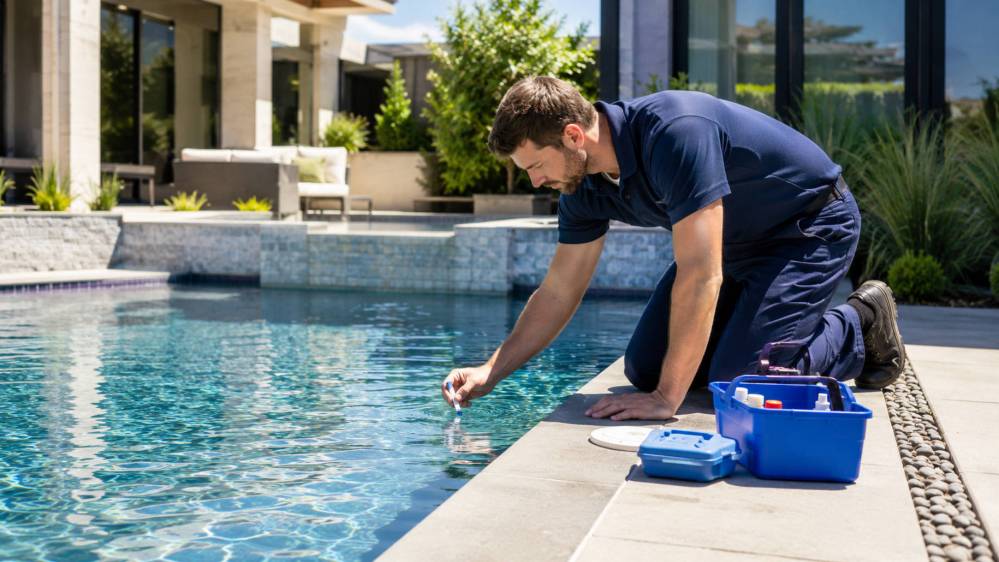
A thorough inspection examines far more than the appearance of the water. Experienced inspectors assess both visible and functional components to determine the overall condition of the pool.
A standard inspection often includes evaluating:
- Pool shell and structural integrity
- Interior finish, plaster, or fiberglass surface
- Tile, coping, and decking
- Pumps and motors
- Filtration systems
- Plumbing connections
- Pool heaters
- Skimmers and returns
- Lighting systems
- Electrical components
- Pool automation controls
- Water circulation performance
- Visible leaks
- Safety barriers and fencing
- Drain covers and anti-entrapment devices
Each area plays an important role in keeping the pool operating safely and efficiently.
Structural Components Require Regular Attention
The structure forms the foundation of every swimming pool. Even minor cracks or surface deterioration may eventually lead to more extensive damage if ignored.
Professional inspectors carefully examine:
Pool Shell
Concrete, fiberglass, and vinyl-lined pools each experience different forms of wear. Inspectors look for cracking, shifting, bulging, or signs of settlement that could indicate structural movement.
Interior Finish
Plaster deterioration, staining, rough surfaces, and worn finishes not only affect appearance but may also signal underlying issues requiring attention.
Tile and Coping
Loose or damaged tiles often allow water to penetrate behind the surface, leading to additional deterioration. Coping around the edge of the pool is also evaluated for movement or damage that could create safety concerns.
Decking
Cracked, uneven, or sinking decking creates tripping hazards while potentially indicating drainage or soil movement problems.
Evaluating Pool Equipment Performance
Pool equipment operates together as a complete system. If one component begins failing, it can affect overall water quality and increase operating costs.
Pumps
The pump serves as the heart of the circulation system. Inspectors evaluate:
- Motor condition
- Noise levels
- Vibration
- Water flow
- Seal condition
- Overall efficiency
A failing pump often consumes more electricity while providing reduced circulation.
Filtration Systems
Filters remove dirt, debris, and contaminants from the water. During an inspection, professionals assess:
- Filter condition
- Pressure readings
- Signs of clogging
- Tank integrity
- Valve operation
Proper filtration contributes directly to healthier swimming conditions.
Pool Heaters
Heating equipment is inspected for:
- Corrosion
- Gas or electrical connections
- Proper ignition
- Heat exchanger condition
- Efficient operation
Routine inspections help extend the service life of heating systems.
Plumbing and Leak Detection
Water loss is a common concern among pool owners. While evaporation is normal, excessive water loss may indicate hidden plumbing leaks.
Professional inspections evaluate:
- Visible plumbing
- Pipe connections
- Return lines
- Skimmers
- Valves
- Equipment pad plumbing
Early leak detection prevents unnecessary water waste while protecting surrounding landscaping and foundations from long-term moisture damage.
Electrical Safety Matters
Swimming pools combine electricity and water, making electrical safety an important part of every inspection.
Inspectors examine:
- Pool lighting
- Grounding and bonding
- Electrical panels
- Timers
- Automation systems
- Wiring connections
Electrical issues should never be ignored because they may pose significant safety risks.
Safety Features Should Never Be Overlooked
Safety remains one of the primary reasons homeowners schedule inspections.
Professional evaluations commonly include:
Pool Fencing
Inspectors verify that fencing remains secure and free from damage that could compromise safety.
Gates
Self-closing and self-latching gates help reduce unauthorized access, particularly for young children.
Drain Covers
Modern drain covers help reduce entrapment hazards and should remain in good condition.
Pool Ladders and Handrails
Loose or damaged access points increase the risk of slips and falls.
Deck Safety
Surrounding walking surfaces are inspected for cracks, uneven sections, and potential tripping hazards.
Common Problems Found During Pool Inspections
Even pools that appear well maintained may contain hidden issues.
Some of the most frequently discovered problems include:
- Small structural cracks
- Equipment nearing failure
- Worn pump seals
- Dirty or damaged filters
- Corroded plumbing fittings
- Minor leaks
- Broken lighting
- Outdated electrical components
- Loose coping stones
- Deteriorating grout
- Safety barrier deficiencies
Finding these issues early allows repairs before they become significantly more expensive.
When Should Pool Inspection Services Be Scheduled?
Many people associate inspections with buying a home, but there are several situations where professional evaluations are beneficial.
Before Purchasing a Property
Buying a home with a swimming pool without an inspection can result in unexpected repair costs after closing.
An inspection provides valuable information about:
- Current condition
- Equipment age
- Maintenance needs
- Potential repair expenses
Before Selling a Home
Pre-listing inspections help sellers identify and address issues before prospective buyers discover them during negotiations.
Seasonal Openings
Before reopening the pool after winter, inspections confirm that equipment and plumbing remain in good working condition.
Seasonal Closings
End-of-season inspections help identify repairs that can be completed before colder weather causes additional damage.
Annual Preventive Maintenance
Even pools that operate well benefit from yearly inspections to monitor wear and maintain long-term performance.
Financial Benefits of Preventive Inspections
Some property owners postpone inspections to save money. In reality, preventive evaluations often reduce overall ownership costs.
Early detection may help avoid:
- Major structural repairs
- Equipment replacement
- Emergency plumbing work
- Extensive leak damage
- Higher utility bills
- Water waste
Maintaining equipment before failure also helps extend its service life.
Improving Energy Efficiency
Older or poorly functioning equipment frequently consumes more electricity than necessary.
Professional inspections help identify opportunities to improve efficiency through:
- Proper pump operation
- Clean filtration systems
- Optimized water circulation
- Well-maintained heaters
- Efficient automation settings
Better efficiency contributes to lower operating costs throughout the year.
Supporting Better Water Quality
Balanced water chemistry alone cannot maintain healthy swimming conditions if circulation equipment is malfunctioning.
Pool inspections help ensure:
- Proper filtration
- Effective circulation
- Reliable equipment performance
- Reduced algae growth
- Improved sanitation
Healthy equipment supports consistently cleaner water.
Choosing Reliable Pool Inspection Services
Selecting an experienced inspection provider is essential for obtaining accurate, thorough results.
Look for professionals who offer:
- Comprehensive inspections
- Clear written reports
- Detailed explanations
- Practical maintenance recommendations
- Experience with multiple pool types
- Knowledge of current safety standards
A quality inspection should provide enough information for homeowners to confidently prioritize maintenance and future improvements.
Protecting Long-Term Property Value
A well-maintained pool can positively influence property value, while neglected maintenance often has the opposite effect.
Routine inspections demonstrate responsible ownership and help preserve:
- Structural integrity
- Equipment reliability
- Safety compliance
- Visual appearance
- Overall functionality
For buyers, documented inspections also provide additional confidence when evaluating a property’s condition.
Making Pool Ownership Less Stressful
Unexpected repairs can disrupt enjoyment and create significant expenses. Regular inspections provide peace of mind by helping homeowners stay ahead of developing problems.
Instead of reacting to emergencies, inspections support a proactive maintenance strategy that improves reliability, extends equipment lifespan, and reduces unexpected downtime.
Conclusion
A swimming pool is a valuable investment that benefits from regular professional evaluations. While routine maintenance helps, pool inspection services can uncover hidden structural, plumbing, equipment, and safety issues before they become costly repairs. Balanced Poolz provides thorough inspections that help property owners maintain safe, efficient, and reliable pools while protecting their long-term investment.